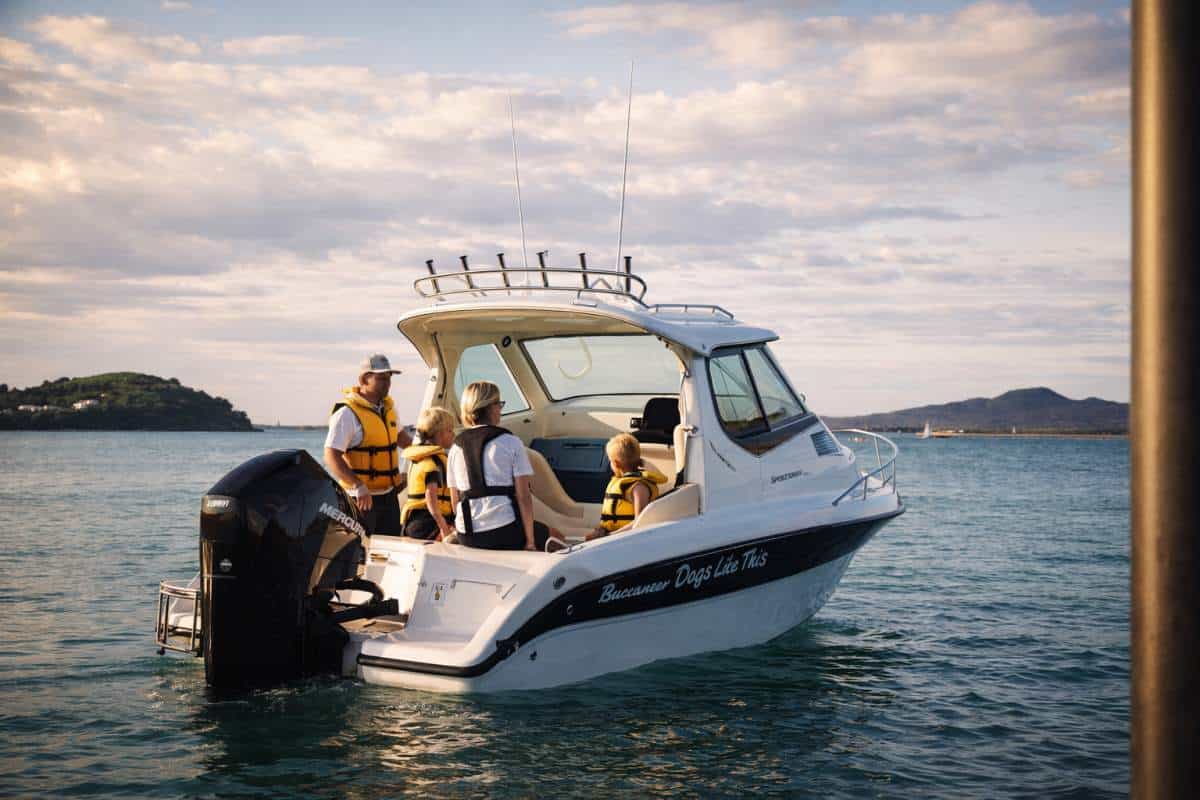
Ask five boaties what the lifejacket rules are and you will get five answers, every one of them delivered with total confidence. They are not being difficult. New Zealand runs a national layer of maritime rules with a regional layer of navigation bylaws sitting on top, and the second one changes depending on which harbour you happen to be in. Here is how the two fit together, and where to go for the answer that applies to your own patch.
What Every Boat Has To Carry
The National Rule And What It Actually Says
There is no single document called the lifejacket law. What people usually mean is a national maritime rule administered by Maritime NZ, sitting underneath a navigation safety bylaw written by whichever regional council owns the water you happen to be floating on.
The national layer is the straightforward bit. Every recreational vessel is expected to carry properly fitting lifejackets for everyone on board. Not most people. Everyone, including the toddler and the mate who turned up at the last minute with a chilly bin.
That expectation does not flex with the trip. A ten minute run to the fuel wharf counts the same as a day out to Great Barrier. Where things get genuinely regional is whether those jackets have to be on bodies or merely on board.
Properly Fitting Means Properly Fitting
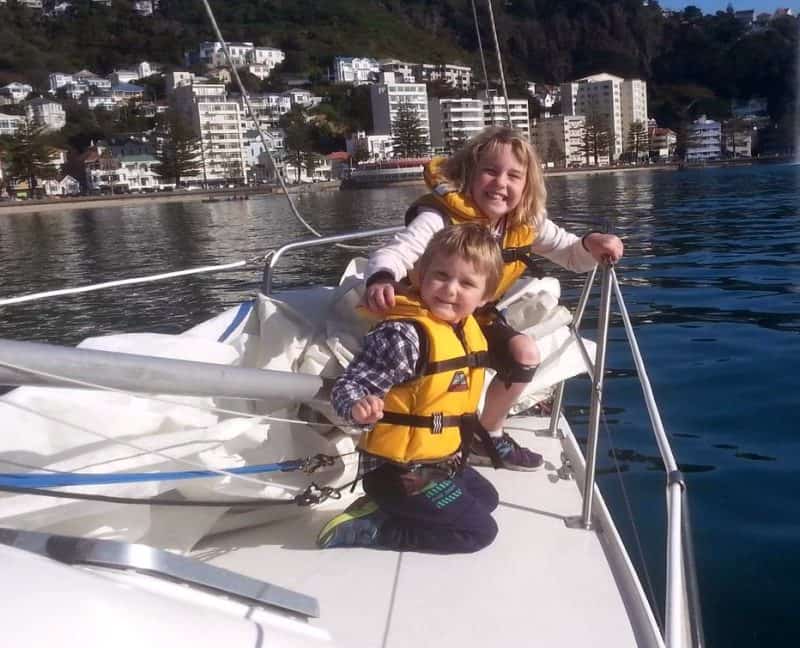
Fitting is the word doing the work there, and it is the one most commonly skipped over. A locker full of adult jackets does not cover a six year old, and a jacket rated for an eighty kilo adult will ride up over a child’s ears the moment they hit the water. Buoyancy is matched to body weight for a reason.
Try them on at the dock rather than in an emergency. Do it up properly, crotch strap included, and get the wearer to lift their arms above their head. If the jacket slides up past the chin, it is the wrong jacket.
And count them against the people actually coming, not the ones who usually do. Guests are how boats end up one short.
Two Forms of Waterproof Communication
Safety gear is not only what floats. The safer boating messaging from Maritime NZ has settled into a short list you will hear at every boat ramp in the country: wear your lifejacket, carry two separate waterproof ways to call for help, check the marine forecast, leave the drinking for later, and be a considerate skipper.
The two forms part is where people get creative. A phone in a snap lock bag and that same phone on speaker is one form, not two. Most coastal boats we come across run a VHF plus a phone in a waterproof pouch, and anyone pushing offshore adds a beacon.
Flares are worth carrying and worth keeping in date, but they are a signalling device rather than a conversation. They tell someone where you are, not what happened.
Carrying Versus Wearing
Where The Wearing Rules Come From
Here is the part that catches out people who trailer their boat around the country. The requirement to actually wear a lifejacket, as opposed to simply having one aboard, is set largely by regional navigation safety bylaws. Those are made by regional councils and enforced by harbourmasters, and they are not identical.
Cross a boundary and the rule can change under you. The Hauraki Gulf, the Bay of Plenty, the Marlborough Sounds and Otago Harbour all sit under different councils with their own definitions and their own thresholds.
None of this is exotic legal trivia. It is the reason two boaties at the same marina barbecue can both be entirely confident and flatly contradict each other. They are describing different bylaws and neither has noticed.
The Under-Six-Metre Pattern
The most common pattern nationally is that lifejackets must be worn on smaller vessels, with six metres turning up frequently as the dividing line. That sweeps in most trailer boats, tinnies, dinghies and the tender you use to get out to the mooring.
We are deliberately not stating that as a national number, because it is not one. Some bylaws use a different length, some attach conditions about vessel type or the stretch of water you are on. The pattern is real; the specifics are local.
The tender is the point worth dwelling on. Plenty of people who would never leave the berth without a jacket on the big boat then row out to the mooring in a two metre inflatable wearing nothing at all, in the dark.
When The Skipper Says So
Bylaws commonly hand the skipper a power that is easy to overlook. If you direct the people on your boat to put lifejackets on, that direction carries weight. It is not an opening position your brother in law gets to negotiate.
Useful to know about; slightly awkward to use. Nobody enjoys being the person who spoils a flat calm afternoon by handing out jackets.
What we have found is that it lands far better said before you leave the berth, as part of the routine, than as a reaction to conditions turning ugly. Frame it as how this boat runs and it stops being a judgement about anyone’s swimming.
Heightened Risk Is A Judgement Call
Most bylaws also carry a catch-all along the lines of situations of heightened risk, which is exactly as vague as it sounds and exactly as useful. It exists because no drafting committee can list every way a good day on the water turns into a bad one.
In practice it covers the ones you would expect:
– crossing a bar
– running at night or in poor visibility
– rough or deteriorating weather
– anyone working forward of the cockpit
– boating on your own
– someone in the water alongside
The honest version is that if you find yourself wondering whether this counts, you have already answered your own question. That instinct is worth more than the wording.
Keeping The Gear Worth Having
Inflatables Need More Than A Glance
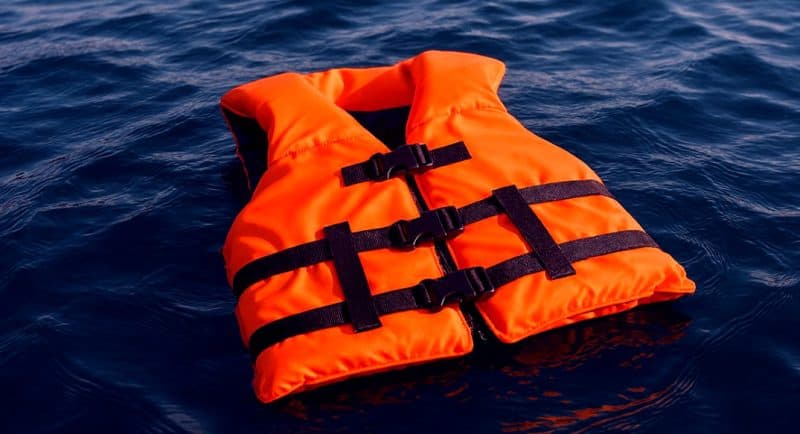
An inflatable lifejacket is a serviceable piece of equipment doing a convincing impression of a piece of clothing, and it is the one bit of safety gear on most boats that can fail without warning.
The gas cylinder is the usual culprit. Cylinders corrode, work loose, and occasionally get fired by accident and screwed back in looking untouched. Unscrew yours, weigh it against the stamped weight, check the threads for white powder, and look at whatever indicator your firing head uses.
Manufacturers specify servicing intervals and some bylaws point at them. We are not putting a number on it here, because it varies by make, by model and by how hard the jacket works. Check what your own manufacturer says, and treat that as a floor rather than a ceiling.
The Foam Ones Are Not Maintenance Free
Solid foam jackets have a reputation for being bulletproof, and mostly they are, but sunlight is patient. The fabric chalks, the stitching lets go, and the buckles turn brittle in a way you will not notice until one snaps in your hand.
Give them a squeeze while you are at it. Foam that has taken on water feels heavy and dense and no longer does the job it was bought for.
Rinse them in fresh water after a salty trip and dry them out of direct sun, which means not on the cockpit sole where they will cook. And please do not take solvents to them on the hardstand. Whatever comes off that jacket goes down the drain and into the water your boat sits in.
Where You Stow It Matters
A jacket you cannot reach is a jacket you do not have. The forepeak, under the anchor warp, behind the spare fenders, is where good gear goes to become decorative.
Most boats we come aboard have a workable answer within a metre of the companionway or under the helm seat, somewhere every person on board has been shown. Show them. It takes fifteen seconds and it is the cheapest safety improvement available to anyone.
The tender jackets are the ones that go walkabout. They get borrowed for a swim off the back and turn up three weeks later in someone’s car boot. Worth a look before you head off rather than after.
Checking Your Own Patch
Your Regional Council Is The Authority
If you want the actual answer for the water you use, the navigation safety bylaw published by your regional council is the document you want. Most councils have it online alongside a plain English summary, usually about a page long and written for boaties rather than lawyers.
Harbourmasters’ offices are also more approachable than people expect. They would far rather field a question about jacket rules on a Tuesday than have a different conversation with you later.
For anyone who moves around, Northland in January and the Sounds in March, check before you launch rather than assuming the rule you know travels with the trailer. It does not.
Coastguard, Courses, And Trip Reports
Coastguard New Zealand sits alongside all of this and gets less attention than it deserves from people who assume it only becomes relevant once something has already gone wrong. The day skipper and boatmaster courses cover this material properly and run out of units all round the coast.
The trip report habit is the other one worth picking up. Logging your trip before you leave and closing it when you are back costs a couple of minutes and means somebody knows to start looking if you do not come home.
Marina noticeboards are quietly useful here too. Local units advertise courses on them, and the harbourmaster’s seasonal notices often go up there before they surface anywhere else.
What This Article Is Not
This is general information about how New Zealand’s safety gear rules are structured. It is not legal advice, and it is not a substitute for the rules themselves.
Bylaws get reviewed, thresholds get adjusted, and national rules get amended, sometimes between one season and the next. Nothing above should be treated as the current requirement for your boat or your stretch of coast. Check that with Maritime NZ and with the regional council responsible for the water you are on before you rely on anything written here.
We put it in writing because we would rather people asked the question than assumed the answer. The asking is the useful part.
The gear itself is the easy part. Jackets are cheap compared with what they cost twenty years ago, comfortable enough that you forget you are wearing one, and nobody has ever motored back into the marina wishing they had left theirs in the locker. The harder part is the five minutes a year it takes to find out what your own council actually requires, and the smaller habit of weighing the gas cylinder before the season starts rather than after.
2 Comments
The gas cylinder point is the one that got me. Pulled mine out last spring expecting it to be fine and the threads were furred up with white powder, jacket had been sitting in the aft locker at Gulf Harbour for three seasons. Weighed it and it was well under. Cheap fix but I had been wearing that thing offshore assuming it would go off.
Good on you for not just saying six metres and leaving it there, half the stuff online states it like it’s gospel. I tow between Waikato and Bay of Plenty a fair bit and gave up trying to remember which is which, now I just make everyone wear them the whole time. Simpler.